Navigating lending rates: What BoE warnings mean for your SME
The Bank of England's warnings about potential base rate hikes signal higher borrowing costs and potential impacts on customer spending, directly affecting SME cashflow. Proactive strategies such as reviewing financing, strengthening credit control, and meticulous financial planning are crucial for UK businesses to protect their financial health and navigate these economic shifts.
Understanding the Bank of England's role
The Bank of England (BoE) plays a crucial role in managing the UK economy, primarily by controlling inflation. Inflation refers to the rate at which prices for goods and services are rising, and consequently, the purchasing power of currency is falling. If inflation gets too high, it erodes the value of money and makes financial planning difficult for businesses and individuals alike.
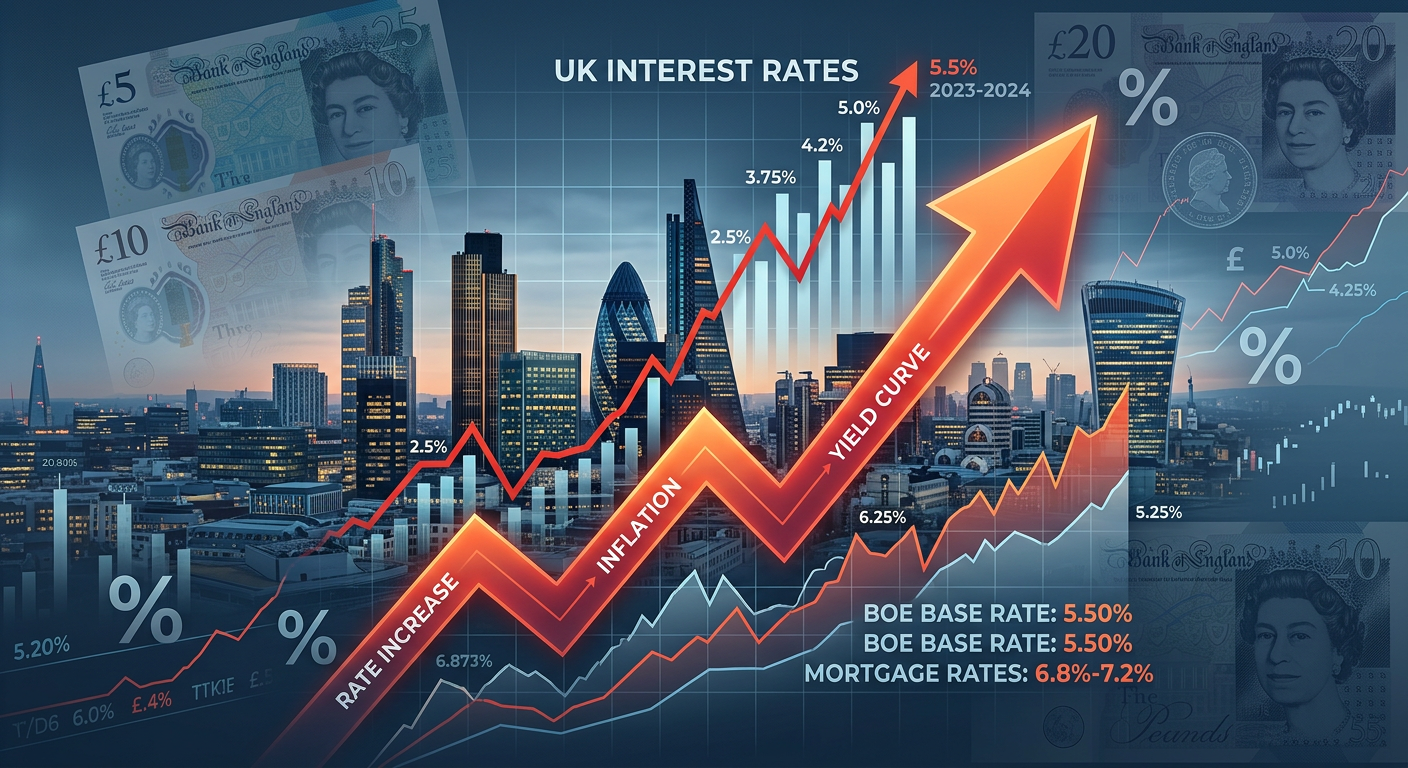
One of the main tools the BoE uses to combat inflation is adjusting the Bank Rate, also known as the base rate. This is the interest rate at which commercial banks can borrow money from the BoE. Changes to the base rate ripple through the entire financial system, influencing everything from mortgage rates to business loans.
Why base rate hikes are a concern for SMEs
When the BoE warns of potential base rate hikes, it's a signal that they are prepared to make borrowing more expensive to cool down an overheating economy and bring inflation back to their target. For SMEs, this can have several direct and indirect impacts.
Increased borrowing costs
The most immediate effect is on any loans your business currently holds or plans to take out. If your business has a variable-rate loan, such as an overdraft facility or a merchant cash advance, the interest payments will likely increase. This directly impacts your cashflow, as more of your revenue will be diverted to servicing debt rather than funding operations or growth.
For businesses considering new finance, higher base rates mean higher interest charges on new loans. This can make expansion plans or investments more expensive, potentially causing you to delay or reconsider them. Even fixed-rate loans might become more expensive as lenders price in future rate rises when setting their rates.
Impact on customer spending
Rising interest rates don't just affect businesses; they affect your customers too. When individuals and other businesses face higher borrowing costs, they often have less disposable income. This can lead to a reduction in consumer spending or a tightening of budgets for B2B customers.
If your business relies on consumer demand or sales to other businesses, a downturn in spending can directly impact your sales volume. This, combined with higher operating costs, creates a challenging environment for maintaining profitability.
Pressure on cashflow management
With increased borrowing costs and potentially reduced sales, managing your cashflow becomes even more critical. Cashflow refers to the movement of money into and out of your business. Positive cashflow means more money is coming in than going out, which is essential for survival.
During periods of rising interest rates, late payments from customers can be particularly damaging. If your customers are also feeling the pinch, they might delay payments, exacerbating your own cashflow challenges. This creates a domino effect throughout the supply chain.
Strategies to protect your SME's cashflow
Proactive cashflow management is key when economic headwinds are on the horizon. Here are several practical steps your SME can take to prepare for and mitigate the impact of potential base rate hikes.
Review your existing financing agreements
Take stock of all your current loans, credit lines, and financing arrangements. Understand whether they are on variable or fixed rates, and when they are due for review or renewal. If you have significant variable-rate debt, consider options to fix a portion of it if the rates are still favourable, or explore refinancing options if appropriate. Being aware of your exposure helps you forecast future interest costs more accurately.
Strengthen your credit control processes
Timely payments are vital. Review your credit control procedures to ensure they are robust and efficient. This includes clear payment terms on all invoices, consistent follow-ups for overdue payments, and building strong relationships with your customers to encourage prompt payment. Every day an invoice remains unpaid impacts your working capital.
Consider introducing late payment charges and interest as allowed under the Late Payment of Commercial Debts Act. This can act as a deterrent and compensate you for the lost time value of money. Professional debt recovery services can also be invaluable if internal efforts are not yielding results, especially for persistent late payers.
Forecast and scenario plan meticulously
Create detailed cashflow forecasts that project income and expenses for the next 3, 6, and 12 months. Then, create different scenarios based on potential interest rate increases and reduced sales volumes. How would your profitability be impacted if your loan costs increased by 1% or 2%? What if sales dropped by 5% or 10%?
This exercise helps you identify potential pinch points and allows you to plan contingencies. It might highlight the need to reduce discretionary spending, negotiate better terms with suppliers, or seek additional funding before cashflow becomes critical.
Optimise working capital
Beyond chasing debts, look at other areas to free up cash. Can you manage inventory more efficiently to reduce holding costs? Can you negotiate longer payment terms with your suppliers without damaging those relationships? Every percentage point gained in optimising your working capital improves your resilience.
Consider whether any non-essential assets could be sold to inject cash into the business. Also, explore whether services like invoice finance could provide immediate access to funds tied up in outstanding invoices, rather than waiting for customers to pay.
Build a cash buffer
Where possible, try to build a reserve of cash that can cover at least 3-6 months of operating expenses. This financial cushion provides a critical buffer against unforeseen economic shocks, including sudden increases in borrowing costs or temporary dips in revenue. While challenging to build, it's one of the most effective ways to ensure business continuity.
Looking ahead
The BoE's warnings about potential base rate hikes are a serious consideration for every SME owner. While they signify efforts to stabilise the wider economy, they also present specific challenges that require careful planning and decisive action. By understanding the potential impacts and implementing robust cashflow management strategies, your business can navigate these economic shifts with greater confidence and resilience.