Navigating fintech credit risk in a turbulent economy
The fintech lending sector has experienced significant growth and innovation over the past decade, driven by technological advancements and unmet demand from traditional lenders. Unlike traditional banks, fintech lenders frequently leverage alternative data sources, machine lear…
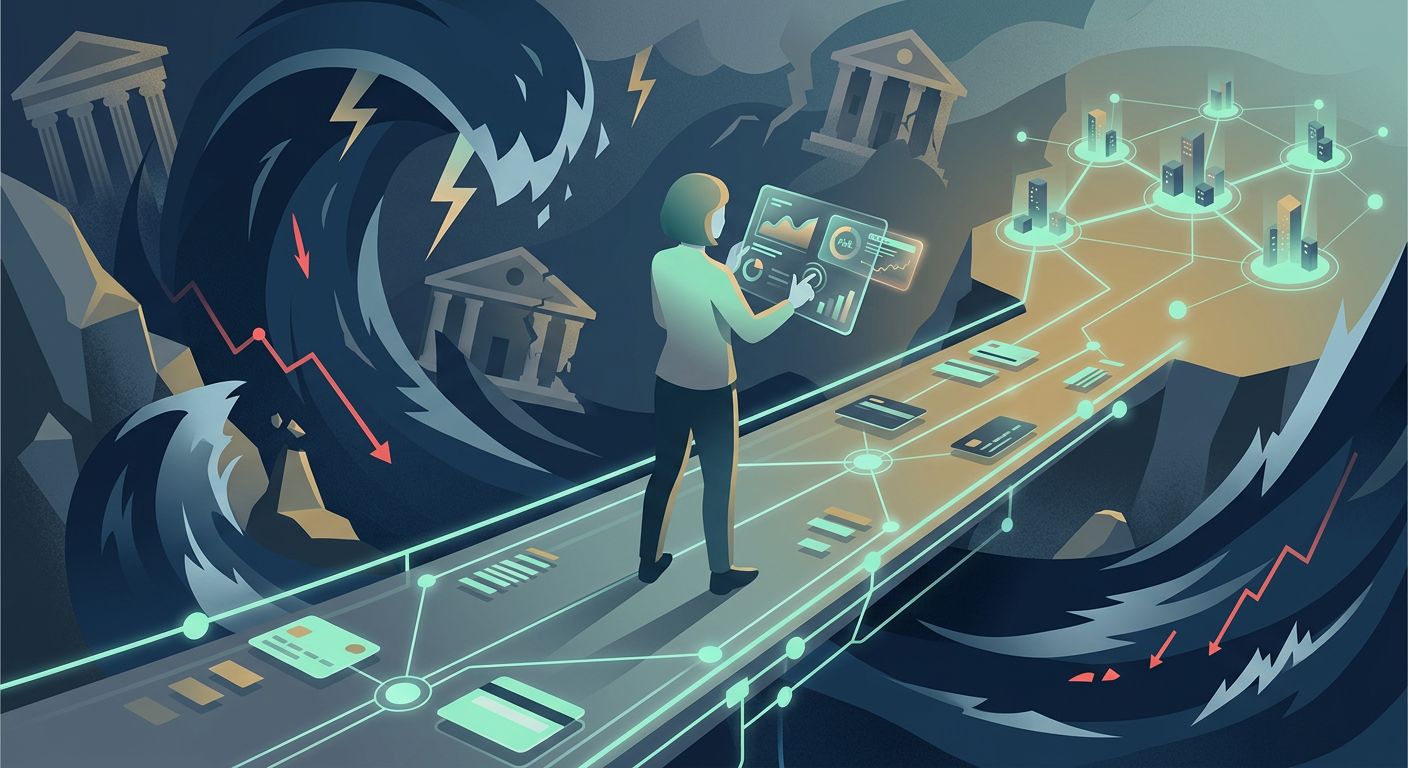
The evolving landscape of fintech lending
The fintech lending sector has experienced significant growth and innovation over the past decade, driven by technological advancements and unmet demand from traditional lenders. Unlike traditional banks, fintech lenders frequently leverage alternative data sources, machine learning algorithms, and streamlined digital processes to assess creditworthiness and disburse funds rapidly. This agility has enabled them to cater effectively to market segments previously underserved, particularly small and medium-sized enterprises (SMEs) in the UK seeking more flexible and efficient funding solutions.
However, this rapid evolution also introduces distinct challenges, especially concerning credit risk management. The economic environment, characterised by fluctuating inflation, interest rate hikes by the Bank of England, and persistent supply chain disruptions, directly impacts borrower solvency and repayment capacity. For risk professionals and senior executives within fintech lending firms, understanding these nuances is critical to maintaining portfolio health and ensuring sustainable growth. The regulatory landscape, overseen by bodies such as the Financial Conduct Authority (FCA), is also continually adapting to these new lending models, adding another layer of complexity to risk frameworks.
The impact of macroeconomic volatility on credit risk
The UK economy has demonstrated a notable degree of volatility following a series of global and domestic shocks. High inflation erodes the purchasing power of businesses and consumers alike, increasing operational costs for SMEs and potentially shrinking their revenue streams. Simultaneously, the Bank of England's response, through adjustments to the base rate, translates directly into higher borrowing costs. For fintech lenders, this means that the interest rates they charge need to incorporate these elevated funding costs, making credit more expensive for their SME clients.
This macroeconomic environment has several second-order effects on credit risk. Businesses with tight margins or those heavily reliant on discretionary consumer spending are particularly vulnerable. A slowdown in consumer demand or an increase in input costs can quickly turn a previously viable business into one facing liquidity challenges. Consequently, the probability of default among fintech's SME borrower base can rise, irrespective of the initial robustness of credit assessments. Stress testing scenarios must now incorporate these macro factors with greater severity and frequency.
Challenges in conventional credit scoring
Traditional credit scoring models, largely built around historical financial data and established credit bureaus, often struggle to capture the full risk profile of fintech's target market. Many SMEs, especially newer or smaller enterprises, may have limited historical financial data or operate with non-traditional asset structures. Fintechs have innovated by incorporating data from various sources, including transactional data, social media presence, and even website traffic, to build a more holistic picture of an applicant's financial health and business viability.
However, the accuracy and predictive power of these alternative data models are continuously tested under stress. During periods of economic downturn, the correlations observed in benign conditions may break down or shift. For example, a high volume of online transactions might indicate business success in one period, but in another, it could signify rapid consumption of working capital without sufficient profit margins. This necessitates continuous recalibration and validation of algorithmic models to prevent adverse selection and portfolio deterioration.
Enhancing credit risk frameworks and methodologies
To mitigate the heightened risks associated with current economic conditions, fintech lenders must evolve their credit risk frameworks. This involves a multi-faceted approach, integrating advanced analytics with adaptive policy-making and robust operational controls.
Dynamic scorecards and adaptive algorithms
Static credit scorecards are insufficient in a rapidly changing environment. Fintech lenders should implement dynamic scorecards that can be quickly adjusted based on real-time economic indicators, industry-specific performance metrics, and updated internal default rates. Machine learning models should incorporate a wider array of variables, including leading economic indicators (e.g., Purchasing Managers' Index, consumer confidence surveys, inflation forecasts) and sector-specific data (e.g., changes in retail footfall, hospitality bookings, construction material costs).
Furthermore, algorithms need to be designed with a greater emphasis on explainability and transparency. While complex models can yield higher predictive accuracy, the ability to understand and audit the drivers of a credit decision is crucial for compliance with FCA expectations and for internal risk governance. Interpretable AI techniques can help risk professionals understand why a particular applicant was approved or denied, and how certain risk factors contributed to that decision.
Scenario planning and stress testing
Comprehensive scenario planning and stress testing are essential tools for assessing portfolio resilience. These exercises should go beyond historical recessionary events and model forward-looking, sector-specific downturns that consider current geopolitical and economic uncertainties. For example, scenarios might include a prolonged period of high interest rates, a significant drop in consumer spending in specific sectors (e.g., leisure, non-essential retail), or a sharp increase in energy prices impacting manufacturing SMEs.
Stress tests should evaluate the impact of these scenarios on key metrics such as expected loss (EL), probability of default (PD), loss given default (LGD), and exposure at default (EAD) across different borrower segments. The results should inform capital allocation, risk appetite statements, and contingency planning, ensuring that the firm has adequate buffers to absorb potential losses. This iterative process allows for proactive adjustments to lending policies and collection strategies.
Proactive portfolio monitoring and early warning systems
Effective risk management extends beyond the initial credit decision throughout the loan lifecycle. Fintech lenders can leverage their technological capabilities to implement sophisticated portfolio monitoring and early warning systems. These systems should continuously track borrower performance using both traditional financial metrics (e.g., payment history, bank account activity) and alternative data points (e.g., changes in online reviews, social media sentiment, industry news pertaining to key customers or suppliers).
Early warning triggers, such as unusual drops in revenue, significant increases in supplier payment days, or adverse credit bureau updates, should immediately alert risk managers. The objective is to identify potential distress signals long before a default occurs, enabling timely intervention. This might involve offering restructured payment plans, providing business advisory support, or initiating proactive collections engagement. Timely intervention can significantly improve recovery rates and minimise losses, particularly for unsecured lending products common among fintechs.
Strengthening collection and recovery strategies
When defaults do occur, an efficient and compliant collection and recovery strategy is paramount. For fintech lenders, integrating technology into this process offers significant advantages but also introduces specific considerations.
Data-driven collection strategies
Traditional collection practices often rely on standardised processes. Fintechs can develop more nuanced and data-driven collection strategies. By analysing historical collection data, they can segment defaulting borrowers based on their likelihood of recovery, optimal communication channels, and sensitivity to different collection approaches. For example, some borrowers may respond better to automated reminders, while others may require direct engagement from a dedicated collections agent. Predictive analytics can be used to forecast the success rate of various recovery interventions.
This data-driven approach allows for the intelligent allocation of collection resources, prioritising efforts where they are most likely to yield positive results. It also facilitates a more empathetic and tailored approach, which can preserve customer relationships where appropriate, while still achieving recovery objectives.
Partnering with specialist debt recovery providers
For more complex or recalcitrant cases, partnering with specialist debt recovery providers, such as WorkCap, can be a highly effective strategy. These external partners bring specialised legal knowledge, established recovery methodologies, and often, a greater capacity to pursue difficult cases through pre-legal and legal channels, including County Court Judgments (CCJs) or statutory demands.
When evaluating such partnerships, fintech lenders should consider the provider's track record, adherence to regulatory standards (e.g., FCA conduct rules for collections), technological integration capabilities, and their understanding of the specific nuances of SME debt. A seamless data flow between the fintech lender and the recovery partner ensures continuity, efficiency, and compliance throughout the recovery process. This specialisation allows fintechs to focus on their core lending activities while ensuring that non-performing assets are managed by experts, reducing loss given default and improving overall portfolio performance.
Regulatory compliance and ethical considerations
The regulatory landscape for fintech lending is dynamic. The FCA's supervisory focus on consumer duty and fair treatment of customers, initially aimed at consumer credit, increasingly extends to SME lending, particularly for smaller businesses that may have less bargaining power. Fintech lenders must ensure their credit assessment, pricing, and collection practices are not only effective but also compliant and ethical.
This includes clear and transparent communication about loan terms, fees, and the consequences of default. Collection activities must adhere to the FCA's conduct rules, avoiding aggressive or misleading practices. Robust complaints handling procedures are also essential. Proactive engagement with regulatory guidance and industry best practices will be critical for long-term viability and maintaining trust within the market.
The path forward for robust risk management
Effectively managing credit risk in fintech lending, especially for SMEs, requires a blend of technological sophistication, adaptive frameworks, and a deep understanding of macroeconomic forces. Firms must continuously invest in their analytical capabilities, refine their models, and implement proactive monitoring systems. The ability to quickly identify and respond to emerging risks, coupled with a robust and ethically sound collection strategy, will be the differentiator for successful fintech lenders navigating the current economic climate.
By embracing dynamic risk methodologies, leveraging advanced analytics, and forming strategic partnerships for specialised functions like debt recovery, fintech lenders can not only mitigate credit losses but also sustain their mission of providing vital capital to the UK's SME sector.